We Analyzed Every Super Bowl Ad Released Early. Here Is What Will Win and What Will Dominate Post-Game Conversation.
With 30-second Super Bowl media placements now ranging from $8 million to $10 million, and total campaign costs averaging $30.5 million when production, celebrity talent, and pre-game marketing are included, advertisers are making unprecedented investments and some releasing creative weeks ahead of kickoff. Brands are competing with these campaigns long before game day begins and don't stop till long after the Vince Lombardi trophy is back in a display case.
BlueOcean analyzed pre-game buzz, video performance, expert predictions, and viral momentum across confirmed Super Bowl LX advertisers using multi-source brand intelligence signals. The result is our Excitement Index, a data-informed view of which campaigns are positioned to win during the broadcast and which are most likely to dominate post-game cultural conversation.
Each campaign receives an Excitement Score (0-100) based on pre-game engagement, celebrity impact, viral potential, creative differentiation, strategic timing, and cultural relevance.
The Excitement Index: Top 5 Campaigns
1. Budweiser "American Icons"

Excitement Score: 94/100
The Data:
Budweiser generated more than 3.7 million YouTube views before game day. The campaign earned early industry endorsement including Forbes predicting it as the winner. The advertisement features the brand's signature Clydesdales paired with patriotic storytelling and was released three weeks before kickoff.
Why It Leads:
Budweiser combines emotional storytelling with proven brand codes and early narrative control. The campaign taps into national pride while reinforcing brand familiarity through iconic imagery. Early release allowed Budweiser to capture media attention before competitors entered the market, positioning the brand as an early category leader.
Score Breakdown:
Pre-game Engagement: 19/20
Creative Differentiation: 16/20
Viral Potential: 17/20
Strategic Timing: 20/20
Cultural Relevance: 18/20
Celebrity/Talent Factor: 4/20 (heritage codes over celebrity)
2. Pepsi Zero Sugar "The Choice"
Excitement Score: 92/100
The Data:
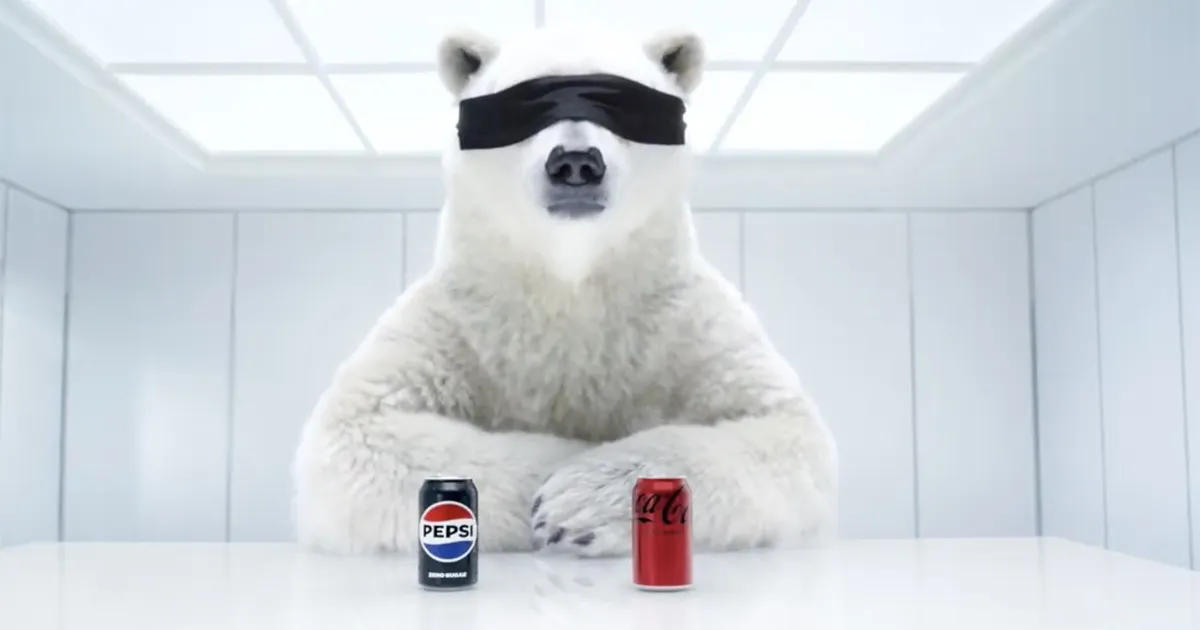
The campaign generated 25.6 million teaser views—one of the highest engagement levels among advertisers. The storyline features a polar bear character traditionally associated with a competitor discovering Pepsi in a blind taste test. Directed by Academy Award winner Taika Waititi using Queen's "I Want to Break Free."
Why It Drives Viral Momentum:
Pepsi leverages humor, competitive tension, and pop culture nostalgia to drive shareability. The campaign is designed for social conversation and meme creation, positioning it strongly for post-game cultural impact even if it does not dominate traditional "best ad" rankings.
Score Breakdown:
Pre-game Engagement: 20/20 (highest teaser views)
Creative Differentiation: 18/20
Viral Potential: 20/20 (meme-ready)
Strategic Timing: 17/20
Cultural Relevance: 16/20
Celebrity/Talent Factor: 1/20 (director vs on-screen talent)
3. Xfinity "Jurassic Park... Works"
Excitement Score: 88/100
The Data:
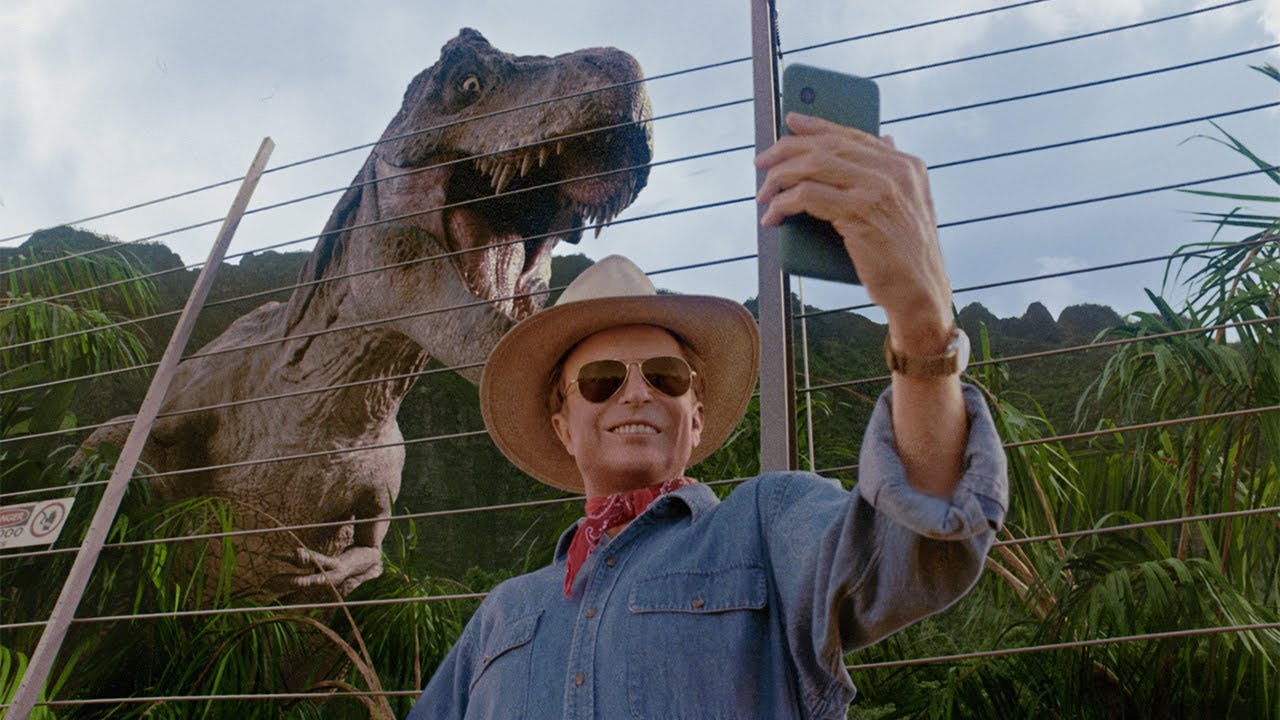
Xfinity's first-ever national Super Bowl spot reunites original Jurassic Park cast members Sam Neill, Laura Dern, and Jeff Goldblum 32 years after the film's release. Behind-the-scenes content generated 31K views within two days. The campaign reimagines the 1993 film with modern connectivity technology, asking "what if everything actually worked?"
Why It Breaks Through:
The campaign leverages nostalgia IP with original talent while connecting legacy entertainment to modern consumer pain points (connectivity failures). Comcast NBCUniversal's IP ownership creates authentic brand integration while the "what if" premise drives social shareability. The extended format allows deeper storytelling while maintaining the film's iconic moments. First national Super Bowl appearance creates news angle and market expansion signal.
Score Breakdown:
Pre-game Engagement: 14/20 (building momentum)
Creative Differentiation: 19/20 (IP ownership + original cast)
Viral Potential: 18/20 ("what if" premise = meme potential)
Strategic Timing: 16/20
Cultural Relevance: 17/20 (nostalgia + tech pain point)
Celebrity/Talent Factor: 4/20 (ensemble vs single star power)
4. Grubhub "The Feest"
Excitement Score: 85/100
The Data:
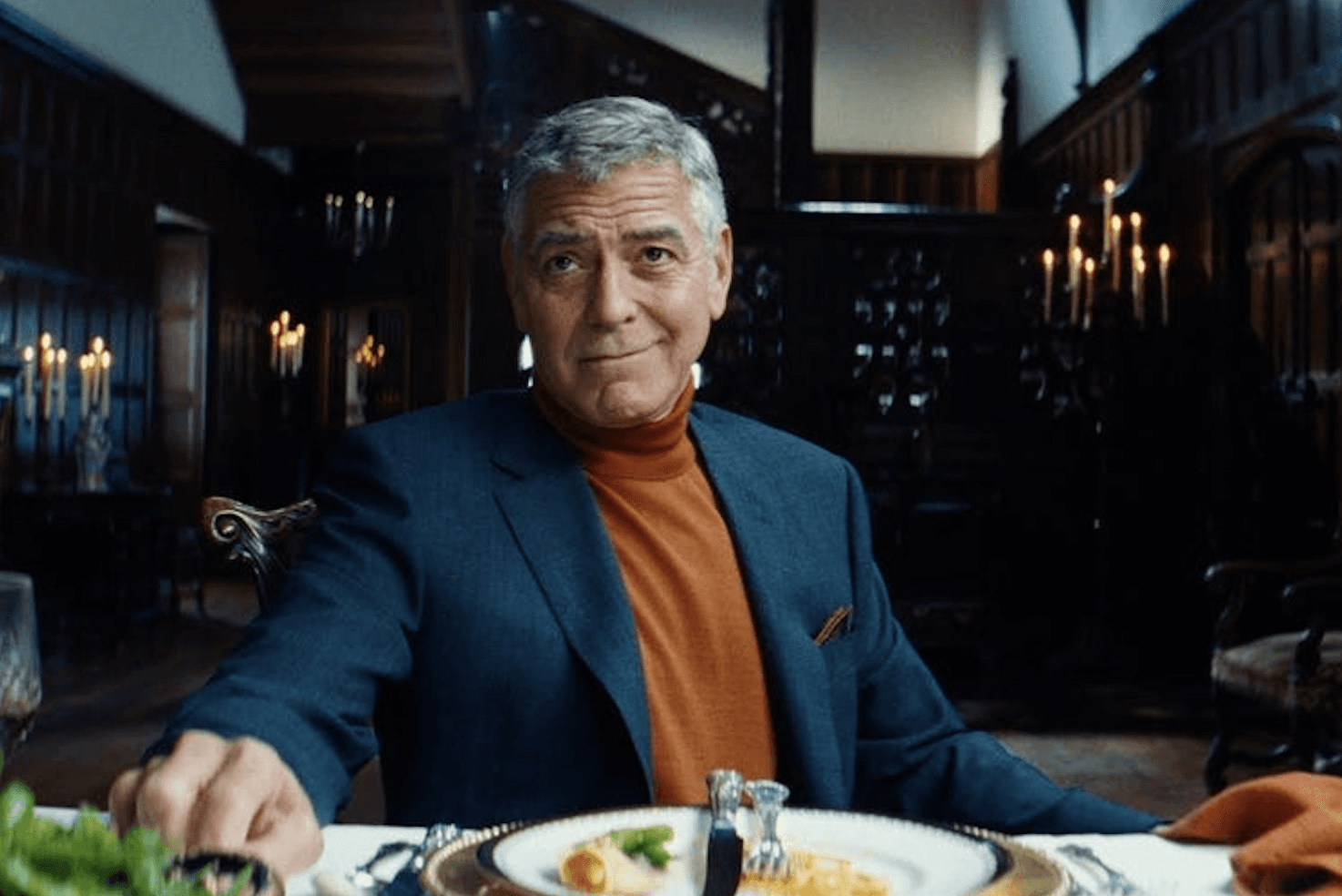
The campaign marks George Clooney's first Super Bowl commercial appearance and was directed by Academy Award-nominated director Yorgos Lanthimos. The creative focuses on fee elimination messaging connected to consumer value.
Why It Breaks Through:
The campaign combines high-profile creative talent with clear consumer relevance. Pairing an unexpected director with a globally recognized celebrity creates differentiation in a crowded advertising environment while reinforcing value-driven messaging.
Score Breakdown:
Pre-game Engagement: 13/20
Creative Differentiation: 17/20 (unexpected director-celebrity pairing)
Viral Potential: 15/20
Strategic Timing: 15/20
Cultural Relevance: 13/20
Celebrity/Talent Factor: 12/20 (Clooney's first SB ad)
5. e.l.f. Cosmetics "MELISA"
Excitement Score: 83/100
The Data:
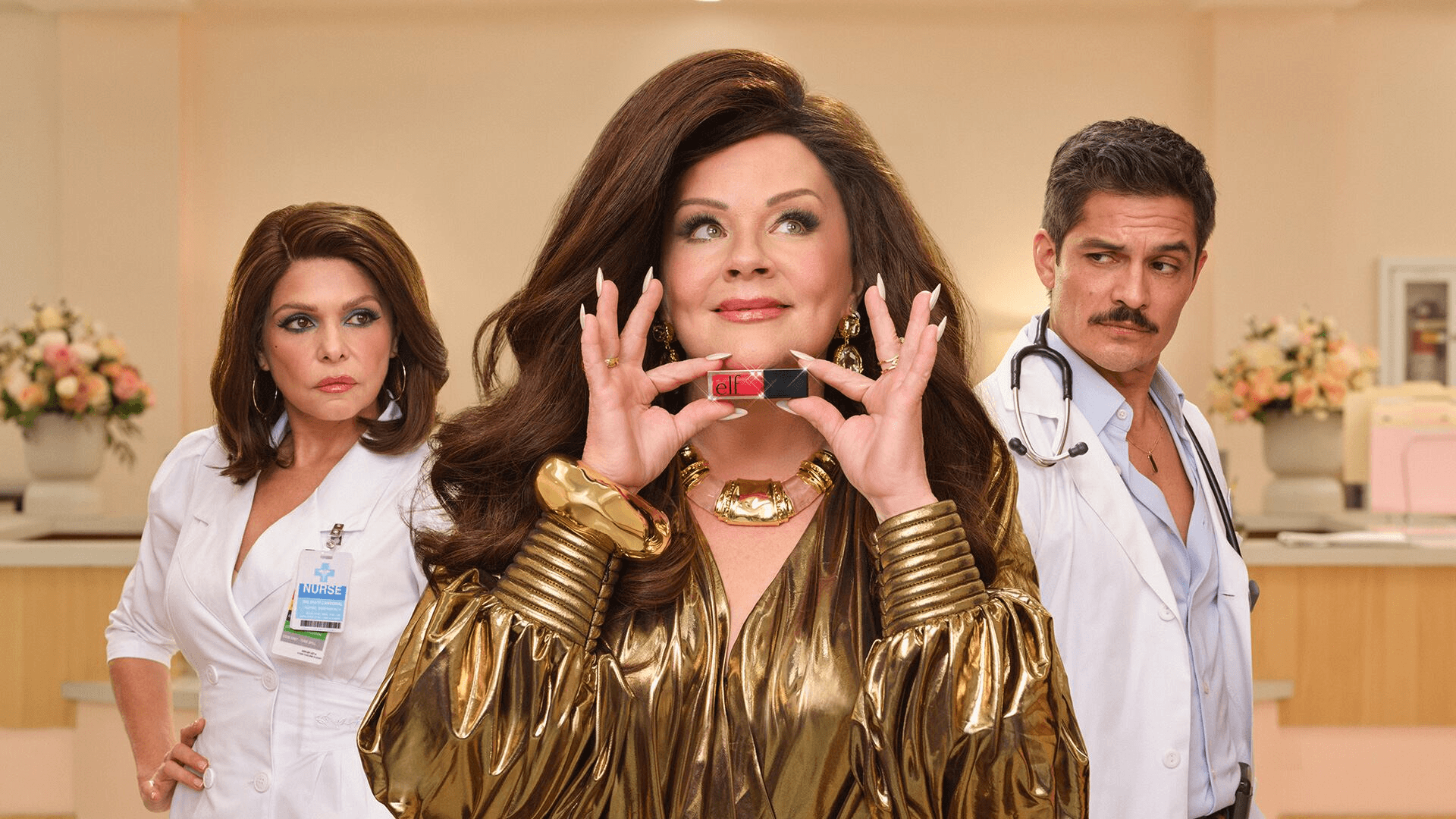
Melissa McCarthy stars in a telenovela-inspired advertisement connected to the Bad Bunny halftime cultural moment. The campaign uses bilingual storytelling to expand audience reach.
Why It Surprises:
e.l.f. uses cultural relevance and humor to stand out in a category typically dominated by larger advertisers. Alignment with halftime momentum and cross-language storytelling expands audience engagement potential and strengthens brand visibility. Challenger brand approach creates underdog narrative.
Score Breakdown:
Pre-game Engagement: 12/20
Creative Differentiation: 18/20 (telenovela format + bilingual)
Viral Potential: 17/20
Strategic Timing: 16/20 (halftime alignment)
Cultural Relevance: 18/20
Celebrity/Talent Factor: 2/20
Dark Horse Contenders
Rocket and Redfin Featuring Lady Gaga | Excitement Score: 81/100
Lady Gaga's "Won't You Be My Neighbor?" cover continues strong, but housing messaging lacks the cultural punch of nostalgia IP or competitive brand warfare.
Bosch Featuring Guy Fieri | Excitement Score: 76/100
Unconventional brand-celebrity pairing shows potential for unexpected attention, but limited pre-game visibility creates risk.
What the Data Reveals
Nostalgia IP is the new celebrity. Original cast reunions (Xfinity) and competitive brand betrayals (Pepsi polar bear) are driving as much engagement as A-list talent.
Humor dominates. Approximately 71% of Super Bowl advertisements now incorporate humor, up from 62% in 2016 (iSpot). Comedic storytelling increases memorability and offers emotional relief during periods of tension.
Celebrity investment remains high. Celebrity partnerships account for approximately 20% of Super Bowl advertising spending (XR research). Appearances from musicians, athletes, and entertainment personalities drive immediate attention and social amplification.
AI emerges as a creative theme. Industry observers describe Super Bowl LX as a significant introduction moment for AI-driven marketing, with campaigns featuring generative AI storytelling and technology brand integrations.
Early release is now required. Industry tracking shows early creative release can increase total campaign reach by 40-60%. Advertisers increasingly treat the Super Bowl as a multi-week activation platform rather than a single broadcast event.
BlueOcean Performance Predictions
Budweiser "American Icons" is the most likely broadcast winner (94/100). Emotional storytelling combined with heritage brand codes and early momentum positions Budweiser as a leading candidate for broadcast recognition.
Pepsi's competitive narrative is the most likely viral conversation leader (92/100). High teaser engagement and competitive brand storytelling increase the probability of sustained social conversation after game day.
Xfinity "Jurassic Park" represents the strongest nostalgia play (88/100). Original cast reunion with IP ownership creates authentic brand integration while the "what if" premise drives shareability across demographics.
e.l.f. Cosmetics shows strong potential as a breakthrough campaign (83/100). Cultural relevance and humor create significant opportunity for cross-audience engagement and unexpected brand visibility.
The Insight for Marketers
With approximately 127.7 million viewers expected and roughly 78% of viewers actively watching advertisements (Ipsos research), the Super Bowl remains one of the most influential brand storytelling environments in marketing. Performance data increasingly shows success depends on strategic execution rather than media investment alone.
Winning campaigns consistently:
Release creative early to maximize reach
Use celebrity partnerships or IP ownership strategically
Build culturally shareable moments
Align storytelling with broader cultural trends
Reinforce recognizable brand codes or create "what if" premises
The Bottom Line
Budweiser is positioned to lead broadcast recognition. Pepsi is likely to dominate post-game cultural conversation. Xfinity's Jurassic Park reunion represents the year's strongest nostalgia play with authentic IP integration. e.l.f. shows strong potential as a breakout challenger brand. Brands that released creative early have already captured extended reach advantages.
Methodology
Our Excitement Index is built on pre-game engagement signals, viral momentum, strategic timing, and cultural relevance, factors that are measurable before a single viewer reacts on game day. These early signals track what gets shared, talked about, and amplified, behaviors that often correlate with long-term brand impact, even when they diverge from critical assessment. But data doesn't capture everything. How well a spot actually entertains, surprises, or emotionally connects with a living room full of viewers is a different dimension entirely.
That contrast is already visible. The New York Times' pregame ranking by critic Mike Hale places Squarespace, Dove, and Pringles at the top, spots that scored on wit, craft, and emotional resonance, while our top-ranked Budweiser "American Icons" lands at No. 20 in his assessment. Meanwhile, System1 has published its own Super Bowl ad rankings using a methodology grounded in emotional response and long-term brand-building effectiveness, offering yet another lens through which campaigns will actually move the needle.
Three approaches, three different answers, and that's exactly what makes the Super Bowl advertising ecosystem so fascinating to study. We'll be watching closely to see whether pre-game data signals, critical taste, or emotional measurement proves most predictive when the post-game results come in. Stay tuned for our full Super Bowl Brand Performance Scorecard in May.