Super Bowl Advertising Has Become a Forecasting Exercise
For decades, Super Bowl advertising was judged on creativity and cultural impact. In 2026, it became something more: a test of predictive intelligence.
Last week, BlueOcean released its Super Bowl LX Excitement Index, analyzing more than 60 campaigns using over 3,000 brand intelligence signals. The model evaluated cultural momentum, awareness growth, and emotional resonance to forecast which ads were most likely to drive brand impact. Budweiser's "American Icons" emerged as the projected frontrunner.
Forty-eight hours later, the data tells a more complex story. Five major measurement frameworks crowned five different winners. Budweiser swept sentiment rankings. Pepsi dominated social volume. AI.com crushed behavioral engagement. Each methodology highlighted a different leader.
Super Bowl placements now cost as much as $8 million for 30 seconds. That investment is no longer competing solely for in-game attention. Brands are competing across early audience buildup, emotional recall, and post-broadcast behavioral response.
This year's scale:
$550 million in earned media value
764 billion potential digital impressions
70X return on paid media investment
The question facing advertisers has changed. It's no longer "who won the Super Bowl?" It's which measurement framework best predicts long-term brand growth.
Five Measurement Frameworks. Five Different Winners.
Early post-game results reveal a clear pattern: each major performance framework highlighted a different leader.
Ranking System | Top Performer | Primary Focus |
|---|---|---|
Budweiser | Pre-release cultural momentum | |
Budweiser | Consumer emotional response | |
NFL | Long-term brand-building potential | |
AI.com | Behavioral action (searches, visits, downloads) | |
Bosch | Creative industry perception |
We called it. BlueOcean's Excitement Index correctly identified four of the top five USA Today Ad Meter performers and three of the top five System1 leaders.
One gap emerged: We didn't predict the behavioral engagement leaders. AI.com topped EDO's rankings with zero pre-game buzz captured in our model. That gap reveals something more valuable than being right. It reveals how advertising performance itself is evolving.
48 Hours Later: What Early Signals Confirmed
Initial performance data reinforced the role of cultural familiarity and emotional alignment in shaping audience response.
Budweiser Dominated Sentiment-Driven Methodologies

#1 on USA Today Ad Meter with a 4.00/5.00 score (its record 10th win and 2nd consecutive victory)
5.6 stars on System1 (exceptional long-term brand-building potential)
13.7% of all Super Bowl brand social mentions (the largest share of any advertiser)
Why it worked:
Budweiser released the ad six days before kickoff, allowing cultural anticipation to build before broadcast exposure. By game day, viewers weren't discovering the ad. They were anticipating it.
Other Top Performers Reinforced Similar Patterns
Xfinity generated strong response through the return of the original Jurassic Park cast, leveraging nostalgia while maintaining brand clarity
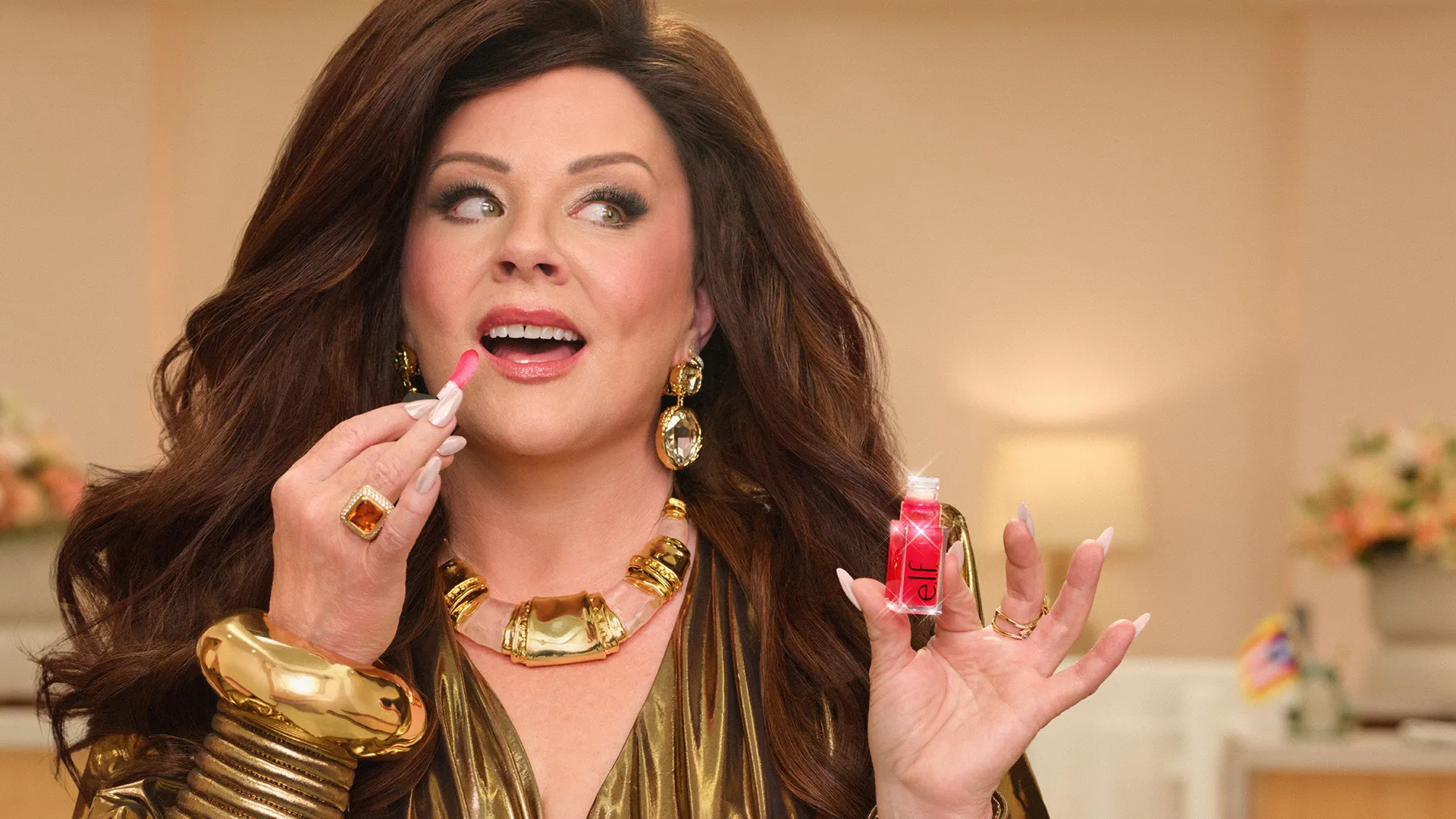
e.l.f. demonstrated how challenger brands can compete through creative focus and cultural timing with their Melissa McCarthy parody
Lay's balanced emotional storytelling with measurable engagement, ranking #2 on Ad Meter while generating 7.1X median behavioral engagement
Across these campaigns, three characteristics consistently aligned with strong performance:
Cultural familiarity
Emotional identity connection
Early audience exposure
48 Hours Later: Where Performance Signals Split
While sentiment indicators aligned closely with early predictions, engagement metrics revealed a different performance hierarchy.
Pepsi's Split-Screen Performance
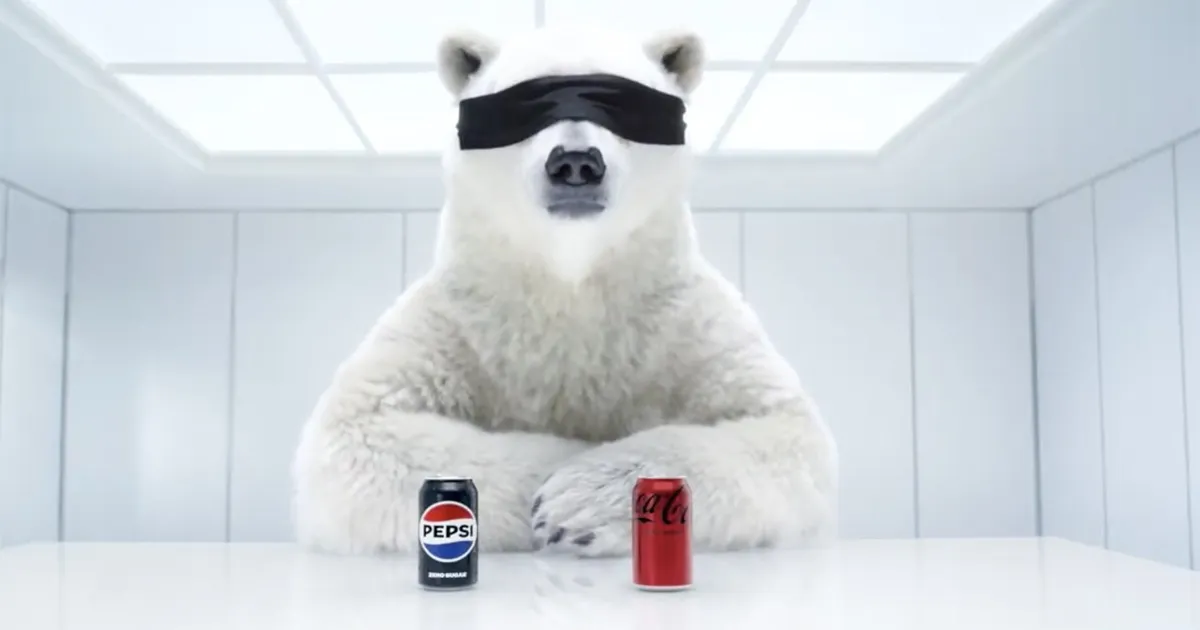
Pepsi generated the highest conversation volume:
38,188 brand mentions (more than any brand including Budweiser)
10%+ of total Super Bowl social share
But sentiment metrics told a different story:
Only #3 on USA Today Ad Meter with a 3.50 score
4.2 stars on System1 (good, not exceptional)
The disconnect is striking: Pepsi captured the largest conversation share but landed third on sentiment rankings. Social volume does not equal emotional impact. Pepsi dominated the noise. Budweiser dominated the hearts.
The Engagement Data Revealed an Even Sharper Contrast
Behavioral engagement results measured across brand searches, site visits, and app downloads:
Brand | Engagement vs. Median | Ad Meter Rank |
|---|---|---|
AI.com | 9.1X | Not in top 10 |
Universal (Minions) | 9.09X | Not in top 10 |
Lay's | 7.1X | #2 |
Budweiser | 4.1X | #1 |
The CMO Insight: Sentiment Does Not Equal Behavior
Budweiser won emotional resonance:
4.00 Ad Meter score
5.6 System1 stars (exceptional brand-building)
4.1X behavioral engagement
AI.com drove behavioral action:
9.1X engagement (more than 2X higher than Budweiser)
Not in top 10 for sentiment
Different metrics. Different winners. Your success metric must determine your creative strategy.
The NFL's Quiet Outperformance
The NFL's own "You Are Special" campaign earned 5.9 stars on System1 (the highest brand-building score of the broadcast). This highlights the growing effectiveness of purpose-driven storytelling even without large pre-game amplification.
Two Structural Shifts CMOs Cannot Ignore
Across both winners and underperformers, two structural shifts are reshaping how Super Bowl performance should be evaluated.
1. Emotional Cultural Memory Is Outperforming Celebrity Spectacle
Super Bowl LX featured more than 102 celebrity appearances across 39 ads. Yet simultaneously:
Nostalgia-driven storytelling increased 7% year over year
Amusement-driven creative declined 9%
Audience behavior suggests growing celebrity fatigue and increasing preference for emotionally grounded storytelling rooted in cultural familiarity and shared identity.
Pattern identified: Several celebrity-heavy campaigns underperformed when narrative clarity and brand connection weakened. Attention driven by fame alone is becoming less reliable as a predictor of sustained brand impact.
2. Sentiment and Behavioral Engagement Are Diverging
The gap between emotional winners (Budweiser) and behavioral leaders (AI.com) reflects different strategic objectives:
Brand-building creative strengthens long-term memory and identity alignment
Performance-driven creative focuses on immediate action and demand generation
The CMO implication:
Your success metric must determine your creative strategy. Brand awareness campaigns are not performance campaigns. You cannot optimize for both with the same creative playbook.
Three Strategic Implications for CMOs
Five major performance frameworks evaluated Super Bowl LIX and reached different conclusions about which campaigns led the field. BlueOcean's Excitement Index accurately anticipated sentiment-driven leaders but did not capture all engagement-driven winners. That gap reflects the expanding complexity of advertising performance measurement.
1. Early Release Strategies Amplify Impact
Phased rollouts consistently generated greater total reach than game-day drops. Budweiser's 6-day head start allowed it to dominate both pre-game and broadcast conversation.
Action: Build anticipation, not just surprise.
2. Choose Your Success Metric Before You Choose Your Creative
Brands optimized for emotional resonance (Budweiser) won sentiment. Brands optimized for immediate action (AI.com) won engagement. Different goals require different strategies.
Action: Ask "what behavior am I trying to drive?" before asking "will people share this?"
3. Pre-Game Signals Are Predictive But Not Complete
Early momentum signals provide strong forecasting direction but must be evaluated alongside behavioral engagement metrics to fully understand campaign impact.
Action: Measure early signals across multiple frameworks: sentiment, social, and behavioral.
What Comes Next
The 90-day test is already running. Which measurement framework most accurately predicted sustained brand growth? Which campaigns generated a lasting awareness lift? Did AI.com's engagement spike hold, or did Budweiser's emotional resonance win the long game?
In May 2026, BlueOcean will release its Super Bowl Brand Performance Scorecard, tracking:
Brand awareness lift
Consideration and preference shifts
Search sustainability (did AI.com's spike last?)
Market share movement
ROI relative to total media investment
BlueOcean is tracking every signal. Stay tuned. The real winners are still being decided.